
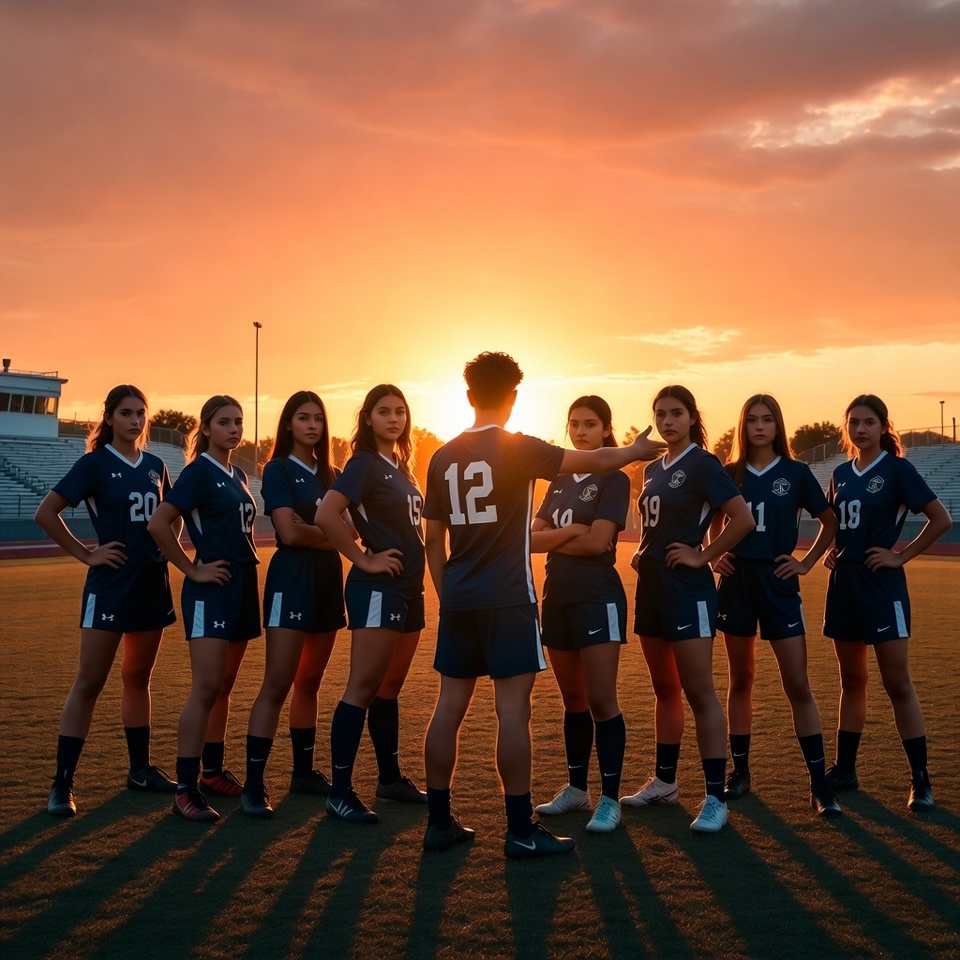
In today’s competitive academic environment, students are often encouraged to focus solely on grades and examinations. However, sports play an equally important role in shaping a student’s personality and future success. Beyond physical fitness, sports significantly improve discipline and leadership skills in students — qualities that are essential for both personal and professional growth.
Participation in sports teaches lessons that classrooms alone cannot provide. Let’s explore how sports help students develop discipline and strong leadership abilities.
The Role of Sports in Student Development
Sports are more than games. They are structured activities that require commitment, teamwork, and consistent effort. Whether it is football, basketball, cricket, or athletics, every sport follows rules and demands responsibility.
Through regular participation, students naturally develop habits and behaviors that strengthen their character.
1. Sports Teach Self-Discipline
Discipline is one of the most valuable skills students can learn. In sports, discipline is not optional — it is necessary.
Following Rules and Guidelines
Every sport has clear rules. Students must:
-
Follow instructions from coaches
-
Respect referees’ decisions
-
Maintain proper conduct
This teaches them to respect authority and understand boundaries.
Time Management
Student-athletes must balance:
-
Schoolwork
-
Practice sessions
-
Matches or competitions
Managing both academics and sports improves time management skills, which is a key part of self-discipline.
Consistent Practice
Improvement in sports requires daily effort. Students learn that success comes from:
-
Repetition
-
Patience
-
Hard work
This mindset carries over into academics and other areas of life.
2. Sports Build Leadership Skills
Leadership is not just about giving orders — it is about responsibility, communication, and influence. Sports provide a natural environment for leadership development.
Teamwork and Collaboration
Team sports require players to work toward a common goal. Students learn to:
-
Support teammates
-
Communicate effectively
-
Make collective decisions
These are core leadership qualities.
Taking Responsibility
Captains and senior players often guide younger teammates. Even non-captains learn to take responsibility for their performance. Accountability builds strong leadership character.
Decision-Making Under Pressure
Sports often involve quick decisions during intense moments. Whether passing the ball or defending a goal, students develop:
-
Critical thinking
-
Confidence
-
Strategic planning
Leaders must think clearly under pressure — and sports provide real-life practice.
3. Sports Develop Emotional Control
Leadership requires emotional stability. In competitive games, students experience:
-
Wins
-
Losses
-
Mistakes
-
Pressure
Learning to handle defeat gracefully and celebrate victories humbly teaches emotional intelligence. This emotional control strengthens both discipline and leadership ability.
4. Boosting Confidence and Self-Belief
Confidence is closely linked to leadership. Students who actively participate in sports often gain:
-
Improved self-esteem
-
Stronger communication skills
-
Greater willingness to take initiative
When students believe in themselves, they are more likely to lead others effectively.
5. Encouraging Responsibility and Accountability
In sports, every player has a role. If one person fails to perform, the entire team may suffer. This teaches students that their actions matter.
They learn:
-
Commitment to team goals
-
Responsibility for mistakes
-
Importance of reliability
These traits directly translate into leadership success in school projects, university life, and future careers.
6. Creating a Growth Mindset
Sports naturally teach resilience. Not every match ends in victory. Students learn to:
-
Analyze mistakes
-
Accept feedback
-
Improve continuously
This growth mindset strengthens discipline and prepares students to overcome challenges in life.
Individual vs. Team Sports: Leadership Differences
Both individual and team sports develop discipline and leadership, but in slightly different ways:
-
Team sports focus on collaboration and communication.
-
Individual sports build self-reliance and personal accountability.
Both paths contribute to well-rounded leadership development.
Long-Term Benefits for Students
Students who actively participate in sports often carry their discipline and leadership skills into adulthood. These skills help in:
-
University life
-
Professional careers
-
Business and entrepreneurship
-
Community involvement
Employers value candidates who demonstrate teamwork, responsibility, and leadership — qualities that sports naturally develop.